
Visuals If your students can see you via a webcam, make sure that not only do you look presentable, but the location that you’re in does too. Tip: a simple background works best to eliminate any distractions. And thats just the first step! If students can see your face, its going to be 100 times more motivating for them if you look engaged and interested in what they are saying (even if sometimes this requires all your saintly teacher patience!). Also, your visual materials must be up to scratch. Make sure your slides look clean and clear and any videos you use are of good quality. Audio Try changing the tone of your voice to introduce new activities or mix up the tempo of your class! Practice your storytelling skills and offer praise out loud. This can make a huge difference in encouraging your students. And, again, make sure any audio clips you plan to use are of good quality. Finally, this might be stating the obvious, but make sure you can teach your online lessons from somewhere with a reliable internet connection. Nothing will have students switching off their attention quicker than a crackly connection that keeps on cutting out.
Whether you use whiteboards, pointers, virtual games, text editors, drawing tools, file editors, breakout rooms, or screen-sharing tools, you can use the technology you have to add variety to your lessons and keep students on their toes. First of all, make sure you know how to use these virtual tools and take time to explain them to students, so they feel confident with using them too. Then think about how you might use them to liven up your lessons. For example, you could use fun rewards to entice students. There is no kid out there whose eyes dont light up at the prospect of 30 seconds of free play on a drawing tool!

The good news is, just like in any face-to-face classroom, the real key to getting your online students involved is to find out what inspires them and gives them a reason to be engaged in the classroom. Whether youre teaching English online or you are a classroom teacher turned virtual, use the same mediums you would use in a real-life classroom. Turn up the fun by playing music or just go to town with the drawing tool! Dont be afraid to try different things with your students until you find something that works for them. because every child is different
Another way to help online students stay on track with their studies (and keep a sense of purpose) is to set goals and remind them of their progress.
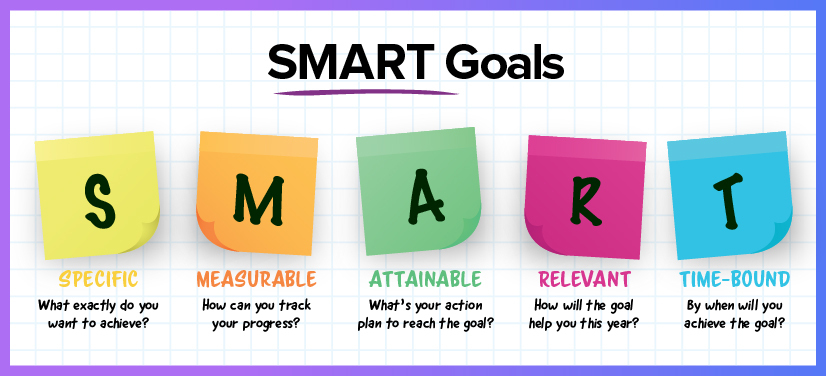
One simple way to introduce short-term goals into your online classroom is to make sure each lesson has a clear outline that you share with your student so they know where they are in the learning process and the context for any activity they are doing. Then think about how you might reward students for finishing tasks (or, even better, for working hard) during a lesson. You could try positive feedback, badges, points, playing games or doing other fun learning activities your students would like. When it comes to long-term goals, going too far into the future might not be effective, but try taking time now and then to check in with your students and set goals together for the next month, three months, or six months down the line.
For short-term progress checks, make sure you build continuity between lessons by doing quick revisions or quizzes on previous topics. A great way to remind students of their long-term progress is by building up a portfolio of work with them so they can look back themselves and see how far they’ve come. One way of doing this online is to start an achievement page. If you are teaching kids, every time they achieve something, you can go to the achievement page and ask them to draw something that reminds them of what they’ve learned (you might want to make it an achievement tree they can add to or a trophy shelf.) With teens or adult learners, you might prefer asking them to write something. As the course progresses, the page will fill up with reminders of successes and proud moments for your students.